

Sarah Dickinson
19 June 2018
Zenkit: The influence of developer communities in progressing snaps
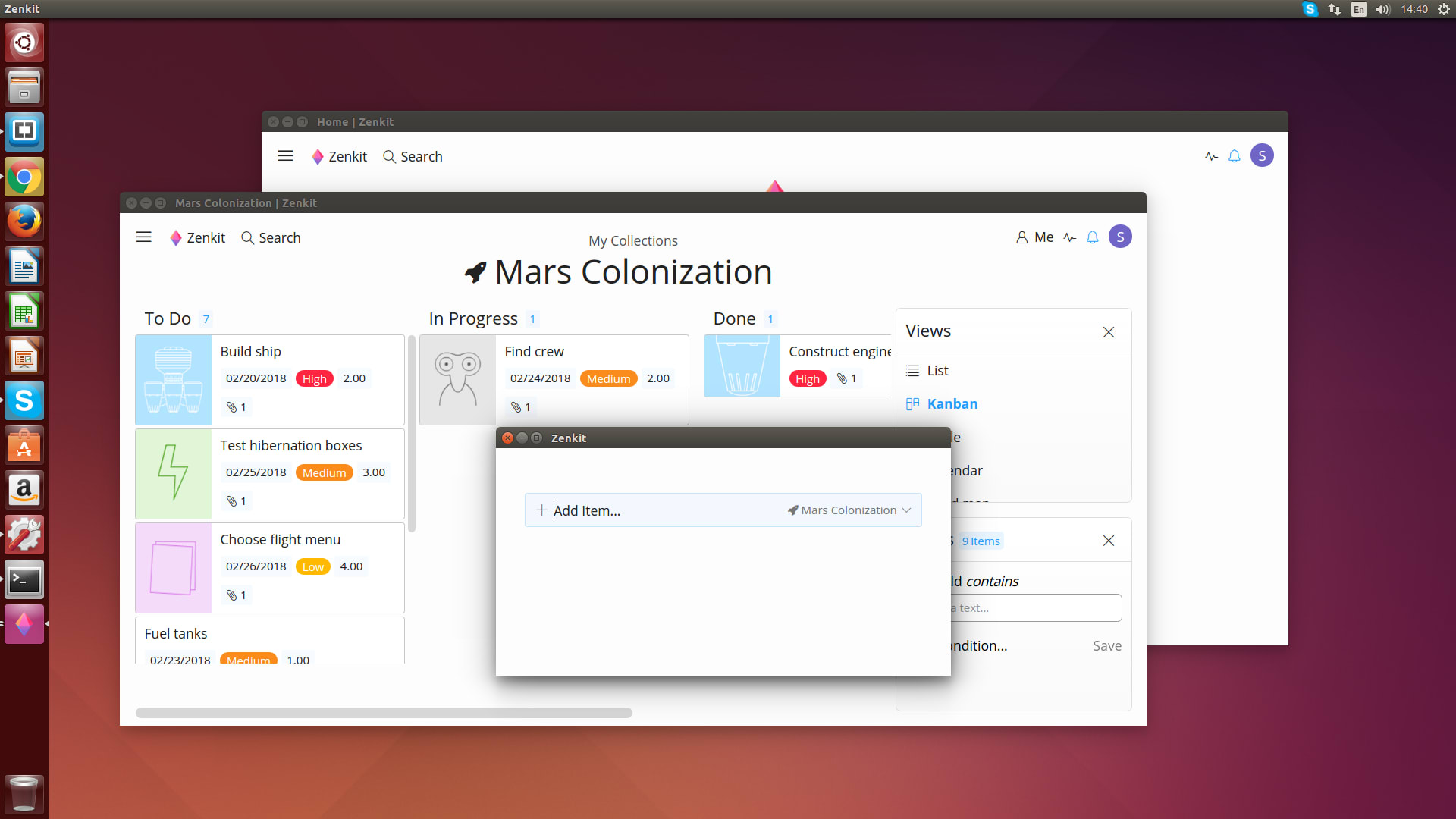
Last month, Zenkit published their project management tool as a snap. For those not familiar with Zenkit, they introduced themselves in a guest blog at the time the snap was published which can be read here. Since then, we caught up with Philipp Beck, Full Stack Developer at Zenkit, to discover his opinion on snaps and the publishing experience.
Philipp was introduced to snaps via a developer friend of his and could immediately appreciate the potential benefits for Zenkit to pursue and the advantages it would offer their users. For the former, Philipp comments: “The biggest draw for us was the ease at which we could reach a diverse range of Linux users, without having to specifically package Zenkit for each distribution. There are obvious benefits here in terms of time saved in updating multiple Linux packages too.”
Once the decision was made to progress with snaps, Philipp remarks: “Building a snap was super easy because we use Electron to package our app and had already built it for some Linux distributions, in .deb, .rpm and AppImage formats. Although for different platforms, we also found packaging as a snap was a breeze in comparison to Windows and MacOS as we’d experienced certificate issues with those.”
Designed as a project management tool for anyone within a workplace, discoverability for the ‘average user’ was important to the Zenkit team. Their snap is available from the Snap Store which Zenkit feel is more user-friendly and easier to understand than many of the distro-specific package sites. As Philipp explains, “Most of them feel like they’re geared towards developers rather than the average user, so the Snap Store is a lot more helpful and visual.”
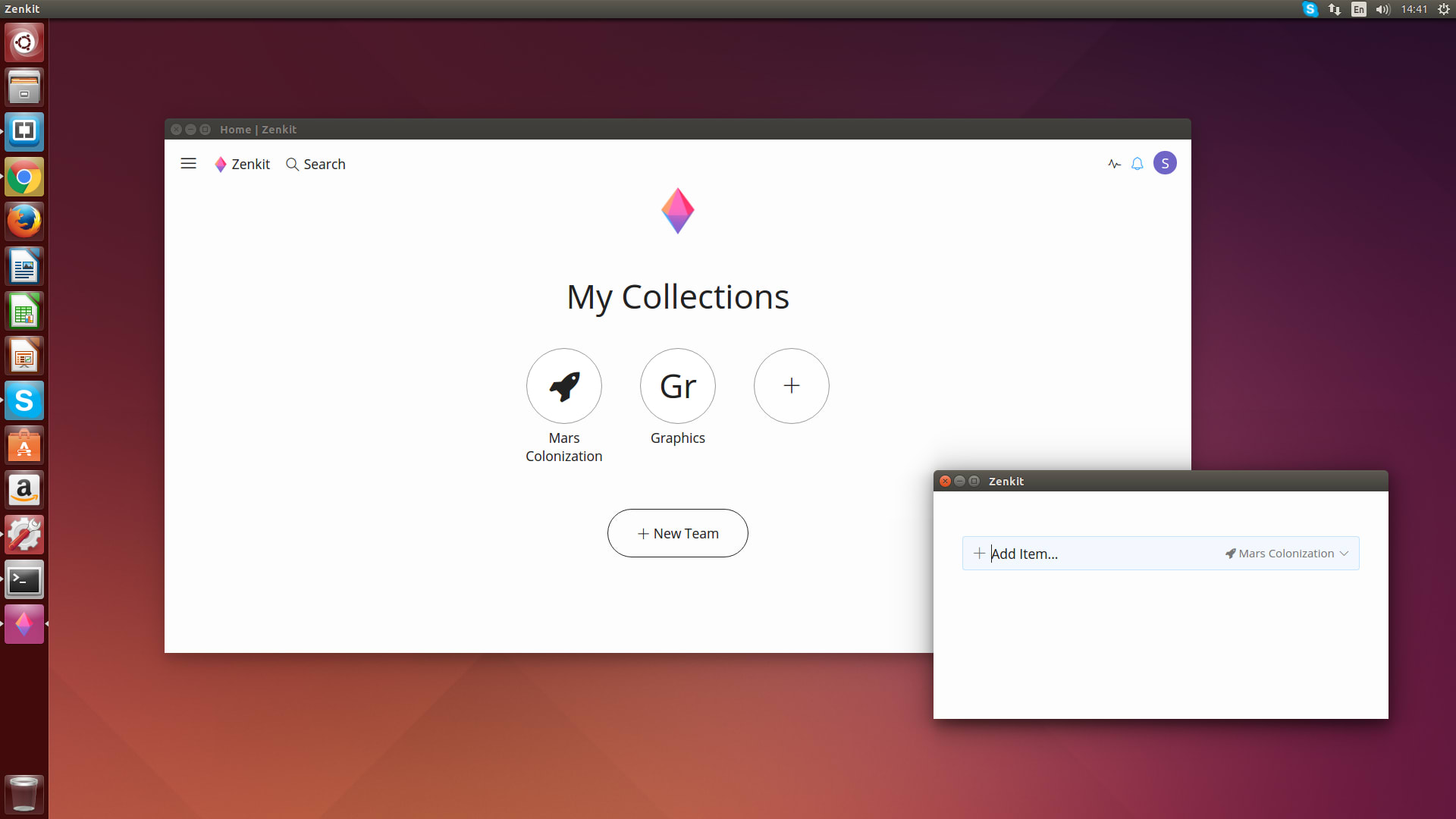
Talking of users, Philipp sees the main benefit to their customers as the seamless automatic updates, better application management and becoming available to a wider audience as they can target more Linux distributions than previously.
Testing their snap and future iterations of it is one area where Philipp believes there is scope for improvement in the Snapcraft world. “I’d like to see an improved testing pipeline with the ability to test changes with specific users such as a collaboration to invite test users,” Philipp explains. “Using the public beta channel for that might not always be applicable so an internal testing option would be great” Philipp concludes.
As someone who discovered snaps via a friend in the developer community, Philipp believes this ecosystem of influence is paramount to increasing snap momentum. As he elaborates; “Developers have a huge influence over what tools people use. If you have a community that is willing to get behind a new service, it can really help propel that technology forward. Also, if a developer community is able to make those tools easier to use and implement for the end-user, the adoption of that technology will increase significantly.”


